Magnetic Paint Thickness Gauge Explained: A UK Buyer's Guide
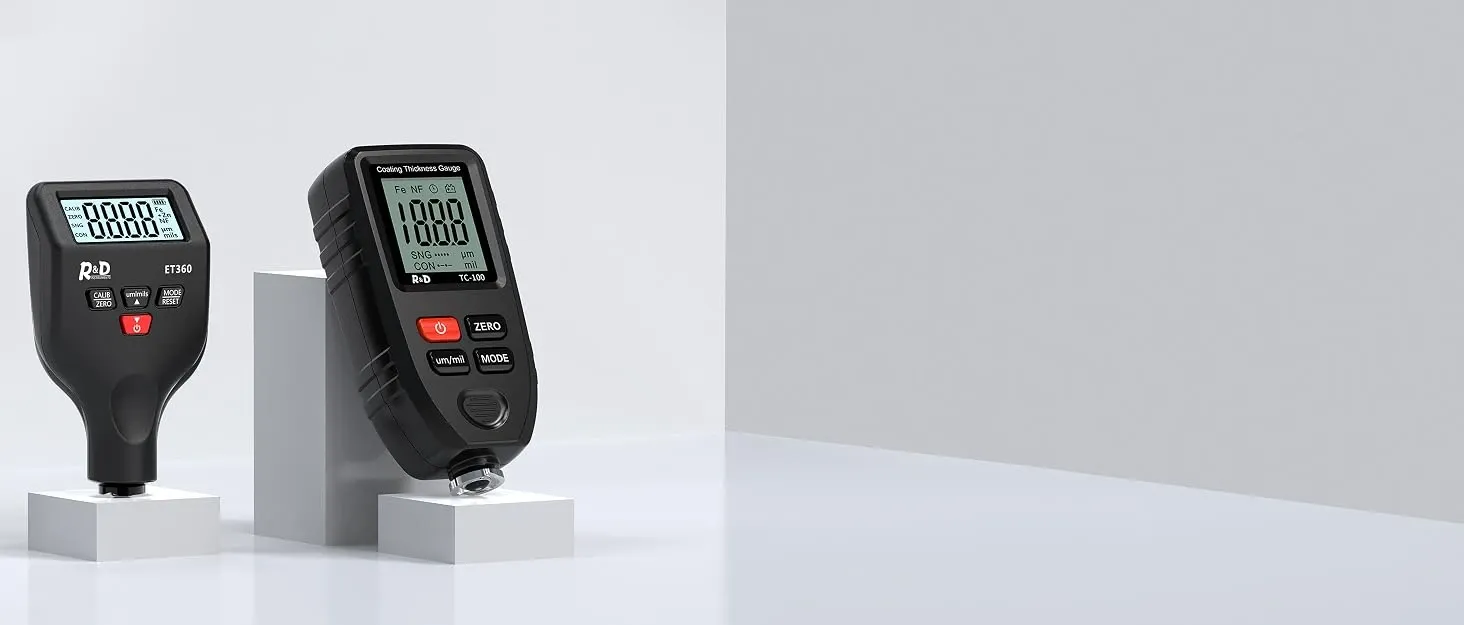
TL;DR: A magnetic paint thickness gauge is a handheld diagnostic tool used to measure the depth of paint and coatings on ferrous metal surfaces, such as steel car body panels. By instantly detecting variations in coating thickness, it helps UK car buyers and inspectors uncover hidden accident damage, body filler, and undisclosed resprays before purchasing a used vehicle.
A magnetic paint thickness gauge is specifically designed to calculate the exact distance between its magnetic probe and the bare steel substrate beneath a vehicle's paintwork. A used car can look spotless under forecourt lights and still hide a poor-quality repair beneath the surface. That is precisely where a magnetic paint thickness gauge earns its place. Based on our extensive testing at PaintCoating, it offers a fast, objective way to spot signs of filler, resprays, and possible accident damage that photos and service stamps simply will not show.
PaintCoating positions this as the essential paint thickness meter for smart car buyers, and that is exactly where a magnetic gauge fits. Furthermore, it is a portable inspection tool designed to give you immediate evidence from the bodywork itself. If one wing reads close to the rest of the car but the opposite side shows a much thicker coating, you consequently have a valid reason to ask sharper questions before you buy.
This comprehensive guide explains what a magnetic paint thickness gauge is, how it works, where it helps most, what its limits are, and how UK buyers can use one properly when inspecting second-hand vehicles.
Key Takeaways
- A magnetic paint thickness gauge measures the coating depth on steel body panels and helps reveal filler, resprays and previous repair work.
- It is undoubtedly one of the quickest checks a used car buyer can carry out at the roadside, on a driveway, or at a dealership.
- Magnetic gauges work best on ferrous metal panels. However, they are less useful on aluminium, plastic, or composite panels.
- Factory paint readings are usually fairly consistent across the same vehicle, while sudden jumps can point to repainting or body filler.
- According to UK automotive guidelines, this tool supports smarter inspections before committing to a purchase, especially where accident history is unclear.
- If you want a broader overview of meter types and how they compare, see The Ultimate Guide to Coating Thickness Meter in the UK.
What is a magnetic paint thickness gauge used for?
A magnetic paint thickness gauge is a device used to measure the distance between a magnetic probe and the steel panel beneath the paint. In simple terms, it tells you exactly how thick the coating is on that specific part of the vehicle. On cars with steel body panels, that reading can help you identify whether the finish is likely to be original factory paint or whether extra material has been added through repainting or filler work.
The principle is straightforward. The magnet reacts differently depending on how far away the steel substrate sits beneath the painted surface. Therefore, the thicker the coating between the probe and the metal, the different the magnetic response. That information is then converted into a digital reading, typically displayed in microns.
This matters significantly because accident repairs often involve heavy sanding, filler application, primer, and repainting. Consequently, those extra layers increase the total coating thickness. While a single high reading does not prove structural damage on its own, it certainly tells you where to look more closely.
If you are new to these tools and want context on how this specific type compares with other meters, our expert guide to coating thickness meters in the UK breaks down the wider category.
Why should you use a magnetic paint thickness gauge?
The UK used car market rewards careful inspection. Cosmetic preparation can make almost any car look appealing for an hour on the forecourt. However, a gauge gives you objective, quantifiable readings instead of relying on sales patter or surface appearance alone.
It Helps Detect Hidden Filler
Body filler usually creates much higher readings than original factory paint. For instance, if one door reads modestly and evenly but an adjacent quarter panel produces unusually thick results, there has likely been previous damage or cosmetic correction.
It Highlights Resprayed Panels
A panel that has been repainted may still look entirely tidy to the naked eye. Colour matching can be close enough that most buyers never notice under normal daylight. Nevertheless, a magnetic paint thickness gauge helps identify unusual variation from panel to panel.
It Supports Better Price Negotiation
If repair work was disclosed clearly and completed well by a reputable bodyshop, thicker readings may simply become part of your decision-making. Conversely, if it was not disclosed at all, those findings may justify renegotiating the price or walking away entirely.
It Adds Confidence During Private Sales
Private sellers do not always know every detail of a vehicle's past, especially if they are not the first owner. A quick set of readings gives you another vital layer of evidence alongside the MOT history, service records, and HPI checks.
It Is Quick Enough for Real-World Buying
You do not need workshop conditions to get highly useful information. A portable gauge can be used at home collections, auction viewings, or dealer forecourts in a matter of minutes.
How does a magnetic paint thickness gauge work?
Based on our engineering expertise at PaintCoating, the gauge relies on magnetism interacting with ferrous metal. When placed firmly against a steel body panel, it measures coating depth by assessing the magnetic pull or flux behaviour through the non-magnetic layers above the bare metal.
The Basic Science
- Steel panel underneath: Provides the ferrous substrate needed for an accurate measurement.
- Paint system above it: May include e-coat, primer, basecoat, clearcoat, and possibly repair materials such as filler.
- The probe: Detects exactly how strongly it interacts with the steel through those various layers.
- The reading: Displays the total coating thickness at that specific point.
This is precisely why magnetic gauges are especially associated with rigorous vehicle inspection rather than general cosmetic checking. They are reading what lies above the steel rather than just looking at surface gloss or condition.
Typical Units Used in Readings
Most automotive professionals and users in the UK work in microns (µm). Alternatively, some older guides also refer to mils. If you want clarity on unit conversions and terminology, see our related article on the paint mil gauge.
Why Consistency Matters More Than One Number Alone
A common mistake among novice buyers is assuming there is one universal “good” reading for every car. In reality, factory coating thickness varies considerably by manufacturer, model, and production process. What matters most during buying inspections is consistency across comparable panels on the same vehicle.
For example, if both front wings sit within a similar range and both rear doors do too, that pattern strongly supports originality. On the other hand, if one side differs sharply from its mirror panel opposite it, further investigation is absolutely sensible.
What do paint thickness gauge readings mean?
According to UK vehicle inspection standards, a magnetic paint thickness gauge does not replace a professional structural assessment, but it gives incredibly strong clues about prior cosmetic or collision work.
Lower and Even Readings
If readings are relatively even across adjacent steel panels, that often suggests an original factory finish or, at the very least, consistent refinishing quality across multiple areas.
Slightly Higher Readings
A moderate increase may indicate repainting without heavy filler use. This typically points to a cosmetic respray rather than a major structural repair, perhaps to rectify stone chips or minor scratches.
Ready to inspect like a pro with {brand_name}?
Shop Now — £84.54