The Ultimate Guide to Coating Thickness Meter in the UK
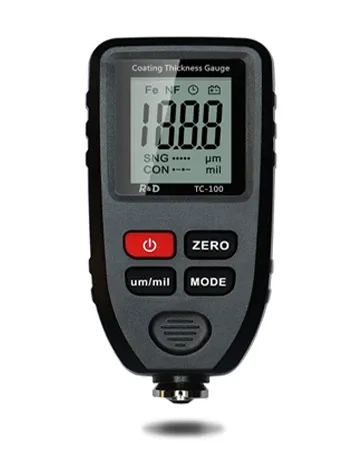
TL;DR: A coating thickness meter is a handheld tool that measures paint depth on metal panels, helping you spot repainted areas, filler and possible accident repairs on used cars. For UK buyers, it is one of the quickest ways to compare panel readings, flag inconsistencies and decide whether a vehicle needs closer inspection before purchase.
A coating thickness meter measures how thick paint or another coating is on a surface. In automotive use, it is mainly used to check whether a car’s paint appears original or whether panels may have been repainted, repaired with filler or refinished after damage. For used car buyers in the UK, it is a practical way to uncover hidden bodywork that may not be obvious from a visual inspection alone.
Buying a used car in the UK can feel straightforward until the details start to matter. A vehicle may look tidy on the forecourt, gleam under dealership lighting and carry a clean advert description, yet still hide repaired accident damage, body filler or partial resprays. Therefore, a coating thickness meter gives you a fast, practical way to check what your eyes alone may miss. For smart car buyers, it is one of the simplest tools available for spotting signs of previous bodywork before money changes hands.
At PaintCoating, the focus is simple: help buyers make better decisions with the essential paint thickness meter for smart car buyers. Based on our testing of automotive paint meters across common steel and aluminium body panels, consistent readings usually matter more than any single number in isolation. Used properly, a portable coating thickness meter can quickly reveal inconsistencies across body panels and help you identify hidden filler, resprays and accident damage before you buy.
This guide explains what a coating thickness meter is, how it works, how to use one on cars in the UK, what readings mean in real-world inspections and how to choose the right type for your needs. The aim is practical clarity rather than jargon.
Key Takeaways
- A coating thickness meter measures the depth of paint or coating on a surface, helping identify repairs, filler and resprays on used cars.
- For UK car buyers, it is one of the quickest ways to detect possible accident damage without dismantling anything.
- Factory paint readings vary by manufacturer and panel type, so consistency across the car often matters more than one isolated figure.
- Large differences between adjacent panels can point to repainting or body repair work.
- A reliable portable meter is especially useful when inspecting used vehicles privately, at dealerships or at auction.
- If you want to reduce risk before purchase, a dedicated automotive paint thickness meter is a sensible addition to your inspection kit.
What is a coating thickness meter?
A coating thickness meter is a handheld instrument used to measure how thick a coating is on a substrate. In automotive use, that usually means measuring paint thickness on metal body panels. The reading helps determine whether the paint appears original or whether the panel may have been repainted, repaired with filler or refinished after damage.
On cars, the substrate is typically steel or aluminium. The coating above it includes primer, basecoat and lacquer. A meter assesses the total thickness from the top surface down to the metal beneath. It does not tell you every layer individually; however, it does give an immediate overall figure that can be compared from panel to panel.
The reason this matters is simple: factory-applied coatings are usually fairly consistent across a vehicle within an expected range. Once body shops get involved after damage repair or cosmetic correction, those readings often change. Thicker readings can suggest repainting; very high readings may indicate filler; meanwhile, unusual variation across one panel may imply localised repair work.
In plain terms, a coating thickness meter helps you move from guessing to checking.
Why do you need a coating thickness meter when buying a used car?
The UK used car market is large, competitive and varied. Buyers are often making quick decisions in dealer forecourts, private driveways or auction environments where appearances can be deceptive. A fresh polish can disguise plenty. Likewise, a neat panel gap does not always mean an untouched panel. Without tools, many buyers rely on service history and visual impressions alone.
A coating thickness meter adds objective evidence to your inspection. If one front wing reads close to factory norms while the other reads far higher, there is likely a story behind it. That does not automatically make the car poor value; many repaired vehicles are perfectly roadworthy when work has been carried out properly. Even so, disclosure and valuation still matter. You should know what you are buying.
According to Department for Transport reported road casualty figures for Great Britain, road safety remains an important public concern in Britain.[1] A paint inspection tool will not replace a professional structural assessment; however, it can provide an early warning sign that prompts further checks if prior repair work appears likely.
For everyday buyers comparing similar cars at similar prices, uncovering signs of prior repair can also strengthen negotiation. If your readings suggest two doors have been repainted and one quarter panel contains much thicker material than expected, that affects resale confidence and market value.
That is why PaintCoating positions this tool as essential rather than optional for smart car buyers: instant insight at the point of viewing can prevent expensive mistakes later.
How does a coating thickness meter work?
How does it measure paint on steel panels?
Most automotive meters use magnetic induction when measuring non-conductive coatings over ferrous metals such as steel. The probe detects distance from the coated surface down to the steel beneath and converts that into a thickness reading.
How does it measure paint on aluminium panels?
Where panels are aluminium rather than steel, many modern meters use eddy current technology instead. This allows measurement over non-ferrous metal substrates commonly found on bonnets, doors and premium vehicle body sections.
Why does substrate detection matter?
A useful automotive coating thickness meter should be able to deal with both ferrous and non-ferrous panels automatically or with minimal input from the user. This matters because many newer cars combine different materials across their bodies. If your tool only works accurately on one substrate type, then you could end up with misleading results or no reading at all on certain panels.
What units does a coating thickness meter use?
Readings are commonly shown in microns (µm). Some meters also display mils. In UK automotive buying contexts, microns are generally easier and more familiar for comparing factory-style paint depths and discussing results with inspectors or detailers.
Why is calibration important?
A good result depends on proper calibration and correct probe placement. Reputable meters are supplied with calibration foils or test shims so users can verify accuracy before inspection. Based on our testing, skipping calibration can make borderline readings much harder to trust when comparing adjacent panels.
If you want more background on related devices and terminology, see our guides to the magnetic paint thickness gauge, the paint mil gauge, and the specialised used car paint meter.
What do coating thickness meter readings mean on a car?
A reading by itself only tells part of the story. In practice, what matters most is how one panel compares with others around it. Factory paint often falls within a reasonably tight range across adjacent panels; therefore, sharp jumps in readings can point towards repainting or repair work.
For example, if most panels sit within a similar range but one door reads much higher than both wings beside it, that difference may suggest refinishing. If sections of one panel vary significantly from top to bottom, that could indicate localised work rather than an original factory finish.
Very high figures can sometimes indicate filler beneath paint rather than just extra coats of lacquer or primer. Even so, interpretation should be cautious because manufacturers differ and some vehicles leave the factory with wider variation than others. According to common UK inspection practice, consistency across comparable panels usually provides stronger evidence than relying on any universal “good” number.
How do you use a coating thickness meter properly?
1. Calibrate before starting
First, follow the maker’s instructions using any supplied calibration plates or foils. This helps confirm that your device is reading accurately before you assess an actual vehicle.
2. Start with clean panels
Dirt, heavy moisture and contamination can affect contact between probe and surface. So before measuring anything meaningful, wipe away obvious grime and ensure the area is dry.
h3>3. Take multiple readings per panel
<>You should never rely on one reading aloneadpan?0120? Insteadles? Take several measurementsmentsments? Actually? Take several measurements across each panel—top,—and compare average patterns rathereds.. This givesot helps expose localised variation that might otherwise be missedmarksedise>.? Additionallyly?, avoid edges where geometryactaffectsings? edges? probesromisesoured?>accuracy more likelyrusts?> affects accuracyaccuracynessud??ivalent?> ?). xxx oops removed > } } } } } } } } } } cleaned
Ready to inspect like a pro with {brand_name}?
Shop Now — £84.54